 (Image source: Gemini)
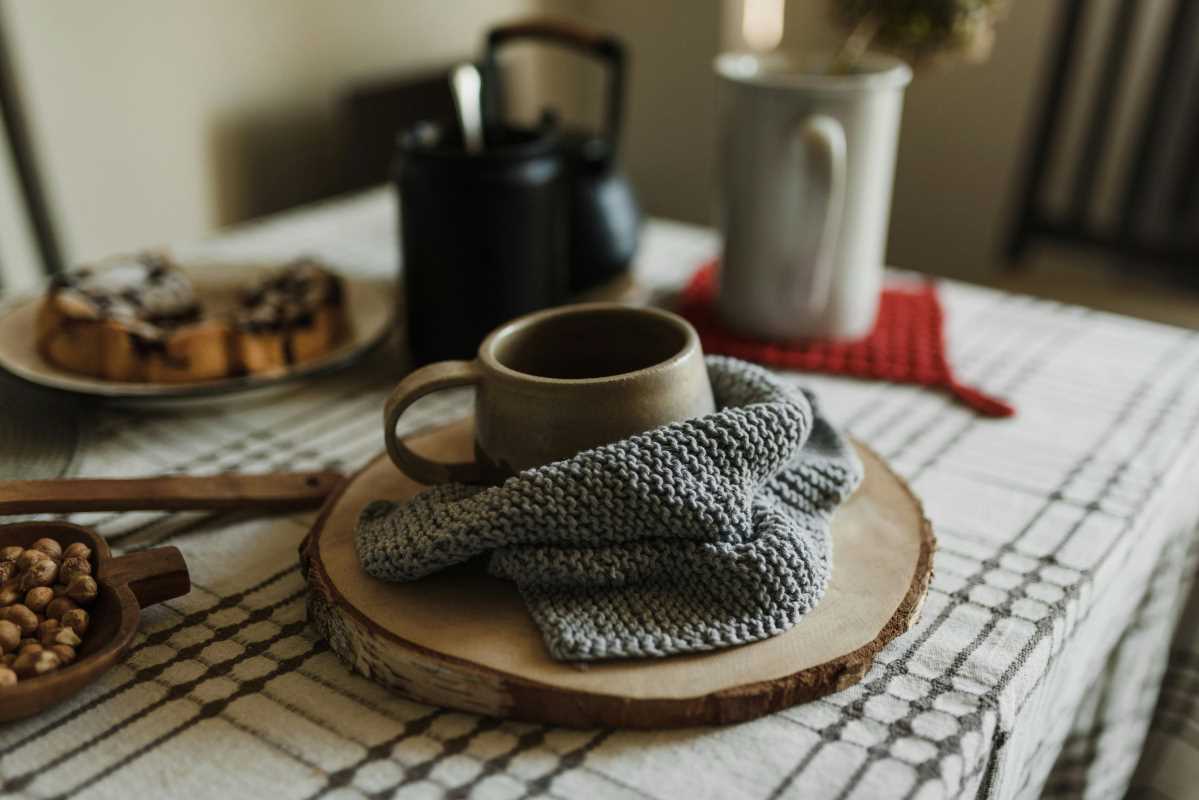
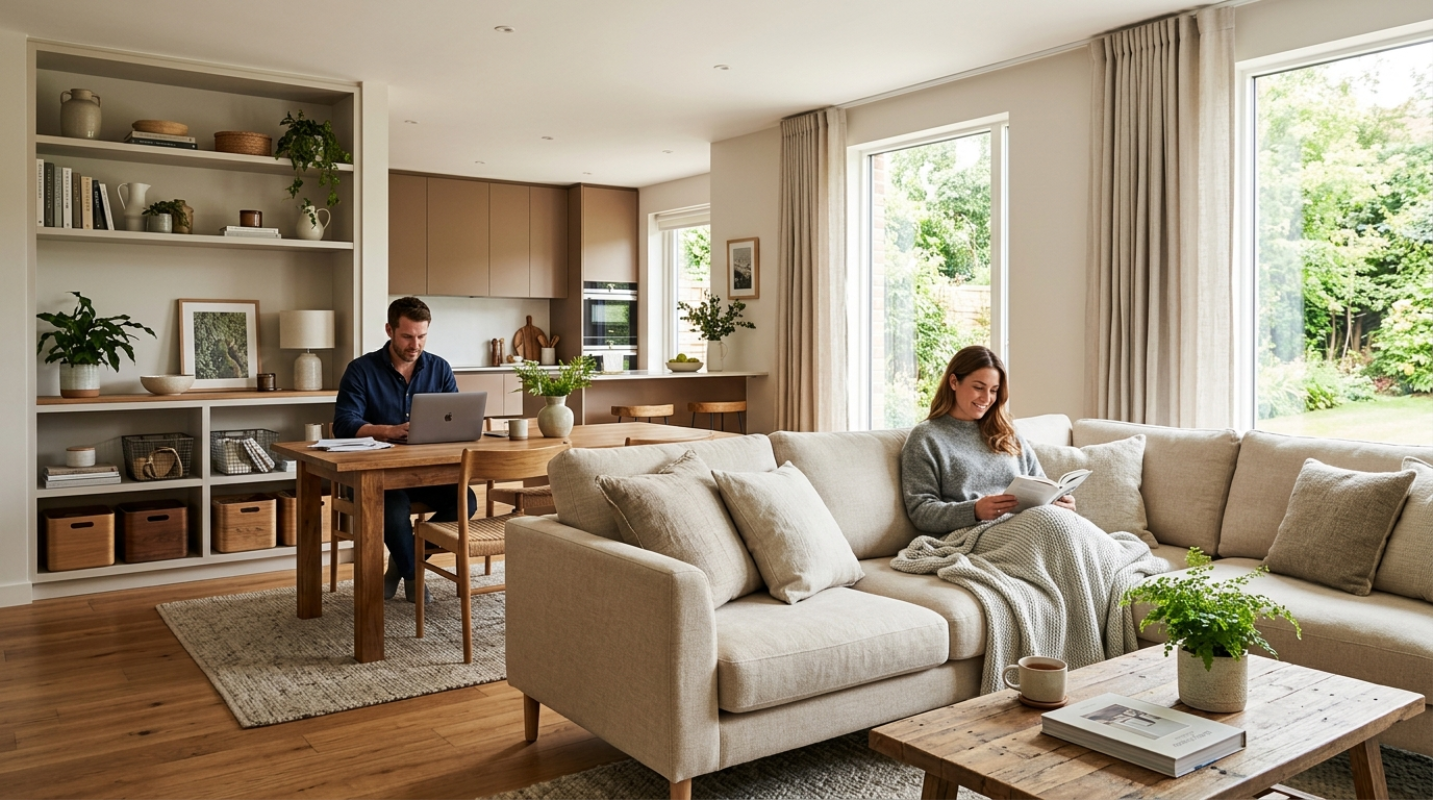
 It is 2026, and the way we think about our living spaces has undergone a massive shift. For a long time, we were obsessed with the "museum" look. You know the one: perfectly white sofas that nobody was allowed to sit on and coffee tables covered in fragile glass sculptures. But those days are gone. We've officially entered the Homebody Era, where the goal is to make your house feel like a sanctuary rather than a showroom.
So what does this actually mean for you? It means we're finally prioritizing how a room feels and functions over how it looks on a social media feed. We're looking for that perfect balance between a cozy, lived-in atmosphere and the kind of practical efficiency that makes daily chores feel less like a grind. It's about intentional design that supports your mental health and physical well-being.
Think of your home like a high-performance jacket. It should look great, sure, but if it doesn't keep you warm or have enough pockets for your keys, it's a failure. Improving your home's functionality doesn't require a massive renovation or a sledgehammer. Often, the most high-impact changes come from simple shifts in layout, lighting, and how you define your space.
Creating Purposeful Spaces
Open-concept homes were the gold standard for decades, but many of us have realized that living in one giant, undivided room can be stressful. Without boundaries, the kitchen mess bleeds into the living room, and your home office feels like it's in the middle of a hallway. This is where the concept of zoning comes in. You don't need to build walls to create privacy or purpose.
You can use furniture placement and area rugs to define specific "islands" of activity. A large rug under the dining table tells your brain that this is a place for eating and conversation, while a sofa positioned with its back to the rest of the room creates a cozy, enclosed lounge area. For those living in smaller apartments, multi-functional furniture is your best friend. Look for ottomans that double as storage or desks that fold away into a cabinet when the workday ends.
Traffic flow is another key part of a functional layout. Have you ever felt frustrated because you're constantly bumping into a chair or squeezing past a table? Experts suggest keeping kitchen walkways between 36 and 42 inches wide to allow for comfortable movement.² If you have a kitchen island, you'll want at least 42 to 48 inches of clearance in the work aisles so two people can pass each other without a collision.² When your home has a clear path for movement, the entire environment feels more relaxed.
Enhancing Mood and Task Performance
Lighting is often an afterthought, but it's actually one of the most powerful tools in your design kit. If you rely on a single "big light" in the center of the ceiling, you're doing it wrong. That kind of flat, harsh lighting can cause eye strain and make a room feel cold. Instead, you should focus on layering your light.
Layering involves three types of light: ambient, task, and accent. Ambient light is your general overhead source. Task lighting is specific, like a bright lamp on your desk or under-cabinet lights in the kitchen that help you see while you're chopping vegetables. Accent lighting is there for the vibes, like a dim wall sconce or a picture light that draws attention to a piece of art.
Smart lighting systems have become a game-changer for our health. Many systems now offer circadian lighting, which mimics the natural patterns of sunlight. It's bright and cool in the morning to wake you up and shifts to a warm, amber glow in the evening to help your body produce melatonin. Beyond the tech, don't forget the power of the sun. Getting the most from natural light by using sheer curtains or placing mirrors opposite windows can significantly improve your mental well-being. For your TV area, try to keep the screen about 7 feet away from your seating to reduce eye strain.³
Ergonomic Furniture and Wellness-Focused Layouts
Comfort starts with how your body interacts with your furniture. We spend so much time sitting that poor ergonomics can lead to real physical pain. If you're setting up a home office, your desk height should ideally be between 28 and 30 inches, with your monitor at eye level and about an arm's length away.¹ It sounds clinical, but your back will thank you.
In the living room, the "Four-Inch Rule" is a great trick for social comfort. Try to keep the seat heights of your various chairs and sofas within four inches of each other.⁴ This make sures that everyone is sitting at roughly the same eye level, which makes conversation feel more natural and less like you're looking up at or down on someone. Also, keep your coffee table about 16 to 18 inches away from the sofa.³ It's the "sweet spot" that allows you to reach for a drink without having to stand up or strain your back.
We're also seeing a huge rise in biophilic design, which is just a fancy way of saying we're bringing the outdoors in. This isn't just about buying a few succulents. It involves using natural materials like wood, stone, and linen that feel good to the touch. These tactile elements have been shown to lower stress levels. When choosing materials, look for things that offer that organic feel but are also easy to maintain. Performance fabrics that look like high-end linen but resist stains are perfect for a home that is actually lived in.
Smart Storage Solutions for a Clutter-Free Mind
There's a very real psychological link between a messy house and a stressed-out mind. When your surfaces are covered in "visual noise," your brain has a harder time focusing. This is why smart storage is a pillar of home functionality. The goal isn't just to hide your stuff, but to give everything a dedicated home so you don't have to think about where it goes.
One of the best ways to keep a kitchen looking clean is the "appliance garage." This is a hidden cabinet with a pull-down door where you can keep your toaster, blender, and coffee maker. They're plugged in and ready to go, but they stay out of sight when you're done. For the rest of the house, consider built-in storage that blends into the architecture. Floor-to-ceiling shelving that matches the wall color can hold a massive amount of items without making the room feel smaller.
If you're feeling overwhelmed by clutter, you might want to try a modified version of Swedish Death Cleaning. It's a lifestyle approach where you systematically remove items that no longer serve a purpose. It sounds morbid, but it's actually incredibly freeing. By clearing out the things you don't use, you make room for the things that actually bring you joy. Plus, investing in better storage pays off. Closet renovations can offer an 83% return on investment, while minor kitchen upgrades focused on storage and flow can see a 96% return.⁵
Functional Home Improvements
To get started on your own home transformation, focus on these key areas that combine comfort with high utility.
- Ergonomic Workstations: Prioritize adjustable desks and chairs that support your natural posture, especially if you work from home more than three days a week.
- Zoned Lighting Kits: Look for smart bulbs that allow you to program schedules based on the time of day, helping your body stay in sync with natural light cycles.
- Natural Material Accents: Incorporate wool throws, jute rugs, or wooden side tables to add texture and warmth to your space while keeping it grounded.
- Hidden Storage Furniture: Choose bed frames with built-in drawers or coffee tables that lift up to reveal storage compartments to keep daily clutter at bay.
The Long-Term Value of a Human-Centered Home
At the end of the day, your home should be the place where you feel most like yourself. Small design shifts might seem minor on their own, but they add up to a significant improvement in your daily quality of life. When you don't have to fight your furniture to get through the room, or strain your eyes to read a book, you're saving mental energy for the things that actually matter.
Instead of rushing out to buy the latest decor trends, take a moment to look at how you actually use your space. Where do you drop your keys when you walk in? Where do you feel most relaxed? Prioritize the function of those areas first. Your home should evolve alongside your lifestyle needs. As you get older, or as your family grows, your space can be adjusted to keep supporting you.
Investing in your home's functionality is really an investment in your own well-being. Whether it's widening a walkway for better accessibility or finally organizing that "junk drawer" with sustainable bamboo bins, these changes create a smoother, more joyful daily experience. Your home isn't just a place to sleep. It's the backdrop of your life, and it deserves to be as comfortable and capable as you are.
This article on rodandraven is for informational and educational purposes only. Readers are encouraged to consult qualified professionals and verify details with official sources before making decisions. This content does not constitute professional advice.